
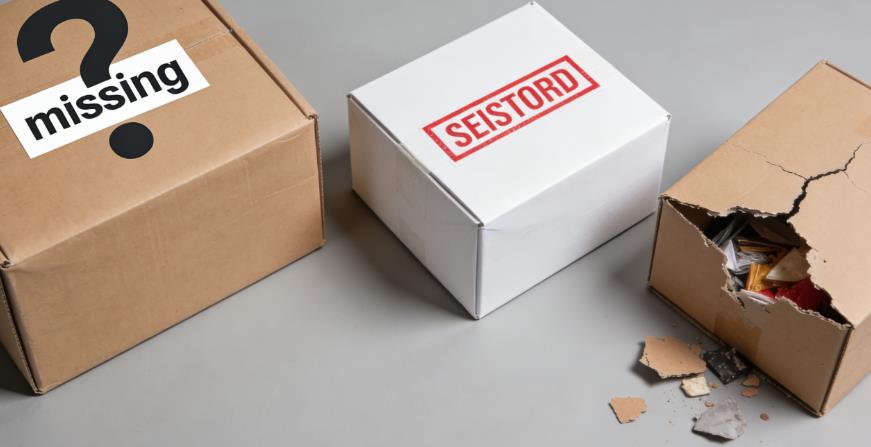
It’s a sweltering August afternoon in Dallas, and my client Mark is staring at an email from his freight forwarder that makes his stomach drop. His shipment of 500 custom leather wallets—valued at $15,000—had been seized by CBP in Houston because of a paperwork mix-up with the origin certificate. He’d bought “basic” insurance through his carrier, assuming it would cover seizures, but when he filed a claim, he got a one-sentence rejection: “Seizure due to documentation error is not covered.” Now he’s out $15,000 in inventory and facing a $3,000 fee to retrieve the shipment (if he even can). I’ve watched this exact scenario play out with dozens of small importers—they buy insurance thinking it’s a safety net, only to find out the fine print excludes the one thing that goes wrong. After 8 years of helping businesses navigate US import risks (and fighting with insurance companies to get my clients paid), I’m breaking down exactly how to buy import insurance that actually covers lost, seized, or damaged goods—with real stories, brutal fine-print lessons, and side-by-side coverage comparisons. Because when you’re importing to the US, the difference between a good policy and a bad one isn’t just the premium—it’s whether you’ll get paid when disaster strikes.
First, let’s get one thing straight: Not all import insurance is created equal. Carriers like UPS, FedEx, and DHL offer “basic liability” coverage by default—usually $100-$500 per shipment—but it’s next to useless for most importers. It only covers “sudden and accidental” damage, excludes seizures, and caps payouts at a fraction of your goods’ value. I had a client in Portland who imported 1,000 ceramic mugs via UPS, relying on their basic $100 coverage. When the shipment was damaged in transit (boxes crushed, mugs shattered), UPS offered her $100—even though the inventory was worth $3,000. She thought she was covered, but she’d never read the fine print: basic carrier liability pays by weight, not actual value. That’s the first rule of import insurance: Never rely on carrier-provided basic coverage. It’s a marketing gimmick, not real protection.
Let’s start with the most common nightmare: lost shipments. You send your goods, track them for days, and then—poof—they disappear. No updates, no explanation, just a “status unknown” on the carrier’s website. But not all lost shipment coverage is the same. Take my client Lisa, who imports small electronic gadgets from Shenzhen to Chicago. She bought a “named perils” policy from a no-name online insurer because it was $50 cheaper than a comprehensive plan. When her shipment went missing after leaving the port of Los Angeles, she filed a claim—and was rejected. The policy only covered loss due to “fire, theft, or vessel sinking,” not “unknown disappearance.” She lost $8,000. A few months later, she switched to an “all risk” policy from a reputable provider (I recommended Chubb, one of the top US property and casualty insurance companies with a 7.2% market share). When another shipment went missing (turns out, the carrier had misrouted it to Miami), she filed a claim with her invoice, packing list, and tracking history. The insurance company approved the claim in 10 days and cut her a check for the full $7,500 value. The difference? Named perils only covers specific, listed events—all risk covers everything except what’s explicitly excluded. For lost shipments, all risk is non-negotiable.
Now, let’s tackle the scariest scenario: seized goods. CBP seizes thousands of shipments every year for reasons ranging from documentation errors to misclassified goods to safety violations. And most basic insurance policies exclude seizures—period. My client Carlos, who imports organic skincare products from Mexico to Miami, learned this the hard way. He bought a standard “cargo insurance” policy that covered damage and loss but not seizures. When his shipment was seized because his product labels didn’t include the required FDA warnings, he filed a claim and was rejected. The policy’s exclusion clause read: “Loss due to non-compliance with government regulations is not covered.” He spent $4,000 on legal fees to retrieve the shipment and another $2,000 to re-label the products—money he never got back. Six months later, he added a “seizure endorsement” (an extra layer of coverage) to his policy for an additional 0.5% of the shipment value. A few months later, a smaller shipment was held by CBP for a minor labeling oversight. This time, his insurance covered the $1,200 retrieval fee and the cost of re-labeling—saving him from another financial hit. The key here is to look for policies that include “seizure due to administrative error” or “technical non-compliance” coverage. Avoid policies that exclude “government action” entirely—they’re useless for US imports.
Damage is the most common claim, but it’s also where the fine print gets trickiest. Not all damage is covered, and how you document it makes or breaks your claim. Take my client Jennifer, who imports linen tablecloths from Portugal to Atlanta. Her shipment arrived with water damage—boxes soaked, tablecloths stained beyond repair. She filed a claim with her insurance company, but they denied it because she didn’t take photos of the damage within 24 hours of delivery (a requirement in her policy). She thought she’d done everything right—she’d signed for the shipment as “damaged” and kept the boxes—but without time-stamped photos, the insurance company wouldn’t budge. She lost $3,500. Now she follows a strict routine: the second the carrier delivers, she takes a video of the unopened boxes, opens them on camera, and documents every damaged item. A few months later, another shipment arrived with torn packaging and damaged tablecloths. This time, she had video proof, plus the signed delivery receipt noting damage, and her claim was approved in 5 days. The lesson? Read the documentation requirements carefully—most policies require damage to be reported within 24-48 hours, with photo/video evidence and a signed carrier receipt.
Let’s dive into the three main types of import insurance policies, and what they actually cover (with real-world examples). First: Free from Particular Average (FPA). This is the most basic, cheapest policy—it only covers total loss of the entire shipment (e.g., the vessel sinks, the plane crashes) or partial loss from specific events like fire or collision. It does NOT cover minor damage, lost packages, or seizures. I had a client in Detroit who bought FPA to save money on a shipment of auto parts. When 10% of the parts were damaged in transit (not total loss), his claim was denied. He paid $200 for a policy that gave him zero protection. Second: With Particular Average (WPA). This covers everything FPA does, plus partial loss from natural disasters like storms, floods, or earthquakes. It’s better than FPA, but still not enough for most importers. A client in Seattle imported coffee beans via ocean freight—his shipment was damaged by water during a storm. Since he had WPA, his claim was approved, and he got paid for the damaged beans. But if his shipment had been seized or lost, he would have been out of luck. Third: All Risk. This is the gold standard for importers—it covers everything FPA and WPA do, plus all “external, accidental” damage or loss (e.g., stolen packages, crushed boxes, misrouted shipments). It still excludes seizures, intentional damage, or loss due to poor packaging, but it’s the most comprehensive base policy. I recommend All Risk for every importer, plus endorsements (extra coverage) for seizures and high-value items.
Now, let’s talk about endorsements—add-ons that turn a good policy into a great one. The most important for US imports are: Seizure Endorsement (covers administrative seizures due to paperwork errors, not illegal goods), High-Value Item Endorsement (for goods over $500 per unit, which standard policies often underinsure), and Delay Endorsement (covers lost profits if your shipment is delayed beyond a certain time). My client Mia, who imports luxury watches from Switzerland to New York (average value $2,000 per watch), added both High-Value and Seizure endorsements to her All Risk policy. When one of her shipments was held by CBP for a 3-day documentation check, her Delay endorsement covered the $1,500 in lost sales from missed customer orders. When another shipment arrived with two watches damaged, her High-Value endorsement ensured she got paid the full $4,000 replacement cost, not the standard $500 cap. Endorsements cost extra (usually 0.25-1% of the shipment value), but they’re worth every penny for high-risk or high-value imports.
Let’s walk through a real-world example of how the right policy saves the day. Last year, I helped a startup in Austin import 200 smart thermostats from China—value $20,000. They bought an All Risk policy with Seizure and High-Value endorsements from Zurich (a carrier known for paying out major claims, including a $40 million settlement for a product liability case a few years back). Their shipment was seized by CBP because the product’s FCC certification was expired (a documentation error, not a safety issue). Instead of panicking, they followed the claims process: first, they notified the insurance company within 24 hours of the seizure notice; then, they gathered all documentation (commercial invoice, packing list, original FCC certificate, and CBP seizure letter); finally, they worked with their customs broker to fix the certification and retrieve the shipment. The insurance company covered the $2,500 retrieval fee, the $1,000 cost to renew the FCC certification, and the $800 in storage fees—total payout $4,300. Without the Seizure endorsement, they would have paid those costs out of pocket. And because they had All Risk, they were also covered when 5 thermostats were damaged in transit (payout $500). The total premium for the policy was $300—less than 2% of the shipment value—for $4,800 in total payouts. That’s the power of the right coverage.
Now, let’s talk about the biggest mistakes importers make when buying insurance. Mistake #1: Underinsuring to save money. I had a client in Chicago who imported $10,000 worth of toys but only insured them for $5,000 to cut the premium in half. When the shipment was lost, the insurance company only paid $5,000—he lost $5,000 for a $25 savings on the premium. Mistake #2: Not reading the exclusions. Every policy has a list of things it won’t cover—common exclusions include poor packaging, intentional damage, illegal goods, and “market value loss.” A client in Miami imported perishable food items and didn’t realize her policy excluded “spoilage due to delayed delivery.” When her shipment was held up, the food went bad, and her claim was denied. Mistake #3: Waiting too long to file a claim. Most policies require you to notify the insurance company within 24-48 hours of discovering loss or damage, and file a formal claim within 30 days. A client in Denver waited 2 weeks to report a damaged shipment—his claim was denied because he missed the notification window. Mistake #4: Buying from a no-name insurer. The US import insurance market is huge (over $1 trillion in premiums in 2024), but there are plenty of fly-by-night companies that collect premiums and deny every claim. Stick to reputable providers like Chubb, Zurich, State Farm, or Progressive—they have the financial backing to pay out claims and a track record of doing so.
Let’s discuss the claims process—because even the best policy won’t help if you don’t know how to file a claim correctly. The steps are simple, but you have to follow them to the letter. First: Notify the insurance company immediately. As soon as you learn of loss, damage, or seizure, call or email your insurer. Most have 24/7 claims hotlines—use them. I had a client in Boston who waited 3 days to report a lost shipment, and the insurance company made her jump through extra hoops (proving she didn’t delay notification intentionally) before approving the claim. Second: Document everything. Take photos or videos of damaged goods, keep all packaging (it’s evidence of how the damage occurred), and gather all paperwork: insurance policy, commercial invoice, packing list, bill carrier tracking records, and any communication with CBP or the carrier. A client in Atlanta filed a claim for damaged goods but threw away the packaging—without it, the insurance company couldn’t verify the damage was from transit, and her claim was denied. Third: Work with your customs broker or freight forwarder. They can provide additional documentation (like a cargo survey report) and help you navigate CBP requirements if your shipment was seized. Fourth: Be honest. Never exaggerate the damage or lie about the cause—insurance companies investigate claims, and if they find fraud, they’ll deny the claim and may take legal action.
Let’s compare two real policies side by side to show you what to look for. Policy A is a basic carrier policy from a major freight company: Premium is 0.5% of shipment value ($50 for a $10,000 shipment), covers only accidental damage and total loss (not seizures or partial loss), caps payout at $500 per shipment, and requires claims to be filed within 7 days. Policy B is an All Risk policy with Seizure endorsement from a reputable insurer: Premium is 1.5% of shipment value ($150 for a $10,000 shipment), covers loss, damage, and administrative seizures, pays full replacement value, and gives 30 days to file a claim. My client in Tampa switched from Policy A to Policy B after a seized shipment cost her $8,000. The extra $100 per shipment in premiums has saved her over $12,000 in claims payouts in the past year. It’s a no-brainer—paying a little more for coverage that actually works is always cheaper than the alternative.
Now, let’s debunk some common myths about import insurance. Myth #1: “Insurance is too expensive.” The average premium for All Risk coverage is 1-2% of your shipment value—for a $5,000 shipment, that’s $50-$100. When you consider that a single seized or damaged shipment can cost you thousands, it’s a tiny investment. Myth #2: “My freight forwarder’s insurance covers everything.” Most freight forwarders have liability insurance, but it covers their mistakes (e.g., misbooking a shipment), not your goods’ loss or damage. It’s secondary coverage, not primary. Myth #3: “If my goods are seized, I’ll never get them back (or paid).” Not true—with a Seizure endorsement, your insurance will cover the cost to retrieve the shipment (if possible) or pay you the full value if it’s confiscated. I had a client in Las Vegas whose shipment of electronics was seized due to a misclassified HTS code. His insurance paid for the customs broker to reclassify the goods and retrieve them, plus the storage fees. Myth #4: “Packaging doesn’t matter for claims.” Wrong—insurance companies will deny claims if damage is due to poor packaging (e.g., fragile items without bubble wrap, overpacked boxes). I had a client in Seattle who shipped glassware in flimsy boxes with no padding—when they broke, the insurance company denied the claim because the packaging was inadequate.
Let’s wrap up with the universal rules I’ve learned the hard way—rules that will save you time, money, and headaches. Rule #1: Always buy All Risk coverage as your base policy. It’s the most comprehensive and covers 90% of common issues. Rule #2: Add a Seizure endorsement if you’re importing regulated goods (electronics, food, cosmetics) or goods with complex paperwork. Rule #3: Insure your goods for their full replacement value—never underinsure to save a few dollars. Rule #4: Read the fine print—pay special attention to exclusions, documentation requirements, and claim deadlines. Rule #5: Choose a reputable insurer with a track record of paying claims. Check online reviews, ask other importers for recommendations, and avoid companies with vague policies or hidden fees. Rule #6: Document everything—from the moment your goods leave the supplier’s warehouse to the second they arrive at your door. Photos, videos, and paperwork are your best friends when filing a claim.
The bottom line: US import insurance isn’t a luxury—it’s a necessity. But not just any insurance—you need a policy that’s tailored to your specific risks, with coverage that actually pays out when you need it. By choosing All Risk coverage, adding key endorsements, and following the claims process to the letter, you can protect your inventory, your profits, and your peace of mind. I’ve seen importers go from losing tens of thousands to weathering disasters with minimal financial impact—all because they invested in the right insurance.
If you’re unsure where to start, ask yourself three questions: What’s the most likely thing that could go wrong with my shipment? (Loss? Damage? Seizure?) What’s the total value of my goods? And how much can I afford to lose? Use those answers to choose your coverage level and endorsements. And if you’ve had a bad experience with import insurance—whether a denied claim or inadequate coverage—don’t give up. There are policies out there that will protect you; you just need to know what to look for.
At the end of the day, importing to the US is risky—but it doesn’t have to be reckless. The right insurance policy turns uncertainty into security, letting you focus on growing your business instead of worrying about what could go wrong. Trust me—I’ve seen both sides. Now go buy the coverage that actually pays out, and sleep better knowing your shipments are protected.
P.S. If you have a specific import scenario (high-value goods, regulated products, ocean vs. air freight) and need help choosing the right policy, drop a comment below. Include your product type, value, and shipping method, and I’ll help you find coverage that fits your needs. No jargon, just real advice from someone who’s been there.
Leave a Reply