
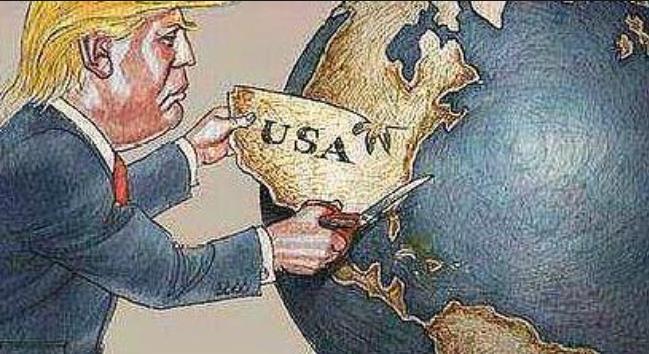
In 2025, the U.S. import landscape has experienced one of its most significant overhauls in recent decades, a shift that is reshaping the operational realities for exporters and importers across every sector. These changes are not arbitrary; they are a product of economic strategy, national security considerations, and the ongoing recalibration of global supply chains. Companies involved in international trade now face a complex web of tariffs, regulatory requirements, and compliance obligations that can directly impact profitability and operational efficiency. Ignoring these shifts is no longer an option. For businesses aiming to thrive in this evolving environment, understanding the nuances of the new policies, adapting supply chains, and proactively managing costs has become critical.
The centerpiece of the 2025 update is the introduction of “reciprocal tariffs,” which require every imported shipment to carry a secondary classification under the Harmonized Tariff Schedule of the United States. This classification determines whether goods are subject to an additional duty of ten percent, which applies on top of existing base tariffs and any previously imposed trade-policy surcharges. Unlike prior measures, this layered tariff structure is comprehensive and affects a wide range of product categories, from industrial metals and automotive components to electronics and solar panels. For companies that have traditionally relied on predictable duty rates, this sudden recalibration introduces both financial risk and logistical complexity.
Importantly, reciprocal tariffs do not operate in isolation. They interact with other trade measures, including Section 232 tariffs that address national security concerns, Section 301 duties targeting unfair trade practices, and emergency or temporary levies designed to protect domestic industries. The resulting compound effect can dramatically increase the landed cost of imported goods. For example, a shipment of aluminum components may face the base MFN duty, a Section 232 surcharge, and the new reciprocal tariff simultaneously, creating a total effective duty rate that could be double or triple previous calculations. For many small and medium-sized businesses, such unexpected increases can severely strain budgets and disrupt cash flow.
Compliance has therefore become more than a routine task; it is a strategic imperative. Accurate classification of goods is essential to ensure that the correct duties are applied and that shipments clear U.S. Customs without delay. Misclassification or omission of the secondary code can lead to severe consequences, including fines, confiscation of goods, or extended hold times at ports. Exporters must also pay attention to exemptions. Certain products originating from countries with free trade agreements, such as the United States–Mexico–Canada Agreement, may qualify for duty relief, provided that strict rules of origin and other compliance criteria are met. Ensuring that documentation such as commercial invoices, packing lists, and certificates of origin are complete and accurate is crucial to taking advantage of these exemptions.
Beyond compliance, the new tariff regime demands strategic adjustments to supply chains. Companies need to conduct comprehensive audits of their product portfolios to identify items most affected by compounded tariffs. Decisions on sourcing, production, and supplier relationships must be re-evaluated with the cost impact of these duties in mind. Some businesses may benefit from relocating production to countries that qualify for trade exemptions, while others might explore alternative suppliers within regions that offer more favorable duty treatment. Logistics optimization also plays a key role. Consolidating shipments, employing bonded warehouses, and carefully selecting ports of entry can mitigate some of the added financial burden and reduce operational delays.
Financial planning is equally important. Tariffs must be incorporated into pricing models, budget forecasts, and cash flow management. For companies operating with slim margins, even a minor increase in duty rates can erode profitability or necessitate price adjustments for end customers. Forward-looking firms are integrating tariff costs into their financial projections and using scenario modeling to anticipate potential shifts in trade policy. This proactive approach allows businesses to respond swiftly to changes, maintain financial stability, and avoid sudden operational disruptions.
The human element of compliance cannot be overlooked. Training staff on accurate classification, documentation procedures, and regulatory updates is essential. Companies that cultivate a culture of compliance, supported by well-informed personnel, are far more likely to avoid errors that can result in costly penalties. Similarly, technology adoption, including enterprise resource planning systems, automated customs reporting, and trade compliance software, can enhance accuracy and reduce administrative burdens, providing both operational efficiency and strategic oversight.
Real-world case studies illustrate the stakes involved. Consider a mid-sized electronics company importing components from multiple countries. Prior to 2025, their duty calculations were straightforward, and shipments cleared customs without issue. Following the introduction of reciprocal tariffs, misclassification of a few high-value components led to fines totaling tens of thousands of dollars and delayed product launches. Conversely, another company in the automotive sector proactively audited its supply chain, reclassified goods accurately, and leveraged USMCA exemptions. As a result, they minimized their additional duty exposure and avoided disruption, highlighting the tangible benefits of diligence and foresight.
The impact of these tariffs is not uniform across industries. Sectors heavily reliant on imported raw materials, such as steel, aluminum, and solar panels, face immediate cost pressures. Consumer electronics and automotive components are similarly affected due to the complex mix of parts sourced globally. In contrast, service-based exporters or companies sourcing predominantly from countries with favorable trade agreements may experience limited direct impact, though indirect effects, such as increased shipping costs or supply chain bottlenecks, still merit attention.
Looking ahead, the U.S. trade policy landscape remains fluid. Potential adjustments to reciprocal tariffs, new trade negotiations, or shifts in global economic conditions could alter the duty structure further. Businesses must maintain vigilance, regularly reviewing policy updates, and adjusting operations accordingly. The adoption of flexible supply chain models, diversification of sourcing, and investment in compliance infrastructure are not just defensive strategies; they represent opportunities for competitive advantage. Firms capable of rapidly adapting to regulatory changes can secure better supply chain control, reduce costs, and respond to market shifts more effectively than less agile competitors.
Technology is increasingly playing a transformative role in trade compliance and supply chain management. Tools such as artificial intelligence, blockchain tracking, and automated customs reporting systems allow companies to improve accuracy, trace goods in real time, and predict potential tariff exposure before shipments occur. By integrating these technologies, companies can streamline operations, enhance transparency, and reduce the risk of compliance failures. This technological layer, when combined with human expertise and strategic planning, positions companies to manage the complexities of 2025’s import tariffs with confidence.
Small and medium-sized enterprises, in particular, face unique challenges. Limited resources, less sophisticated IT systems, and smaller compliance teams can make navigating the tariff landscape daunting. For these businesses, partnerships with experienced customs brokers, leveraging third-party logistics providers, and utilizing government-provided guidance can provide critical support. Training programs, webinars, and industry associations can also offer valuable insights and practical tools to manage obligations effectively.
Ultimately, the 2025 import tariff overhaul signals a turning point in international trade operations. Companies that treat tariffs as isolated costs or one-off considerations risk financial instability, operational delays, and competitive disadvantage. Those that adopt a holistic, proactive approach, integrating compliance, supply chain flexibility, cost optimization, and technological support, are better positioned to weather the changes and even leverage them as opportunities. Strategic planning, meticulous documentation, and continuous monitoring of policy developments have become essential elements of modern trade management.
In conclusion, navigating the evolving U.S. import tariff landscape in 2025 requires a multi-faceted strategy. Accurate classification and documentation, judicious use of exemptions, supply chain optimization, financial planning, and technology adoption all contribute to operational resilience. Companies that embrace these practices not only protect themselves from penalties and unexpected costs but also enhance competitiveness in an increasingly complex global marketplace. The challenges introduced by the new tariffs, when approached strategically, can be transformed into avenues for improved efficiency, smarter sourcing decisions, and strengthened market position. Exporters and importers who act decisively today are those most likely to thrive in the shifting environment of U.S. trade policy, turning regulatory challenges into long-term strategic advantages.
Leave a Reply