
Let me paint you a picture: It’s 2 a.m., and I’m staring at my phone, refreshing the USPS tracking page for the 50th time. The status hasn’t changed in 3 days—still “In Customs Detention.” My heart sinks. Inside that package are 4 handcrafted ceramic mugs I’d ordered from a small artist in Italy—2 for me (I’m obsessed with unique coffeeware), 2 for my best friend’s birthday. I’d waited 6 weeks for them, paid extra for expedited shipping, and now? They’re stuck in CBP limbo, labeled “suspicious commercial quantity.” I wanted to scream.
If you’ve ever had an import seized by CBP, you know that feeling—helpless, frustrated, like your hard-earned money (and beloved items) are disappearing into a bureaucratic black hole. Last year, that’s exactly where I was. But after 3 days of panicking, researching, and firing off emails, I got my mugs back—no fines, no extra fees, just a lesson in how CBP’s appeal process actually works.
This isn’t some dry guide with bullet points that make your eyes glaze over. It’s the step-by-step playbook I wish I’d had that sleepless night—written by someone who’s been there, cried into her coffee over it, and came out the other side with her mugs (and sanity) intact. We’re talking real stories, messy details, and copy-paste email templates that actually work—no jargon, no fluff, just results.
First, let’s get one thing straight: CBP doesn’t seize packages for fun. They’re overworked, understaffed, and trained to flag anything that looks like it might be for resale (read: commercial use) or violates import rules. Most of the time, seizures are just mistakes—misjudgments based on packaging, quantity, or missing information. And the good news? You can fight them. But you have to act fast, and you have to do it right.
Let’s start with my horror story (because nothing makes a guide relatable like a little trauma). I’d ordered the mugs from an Etsy seller in Florence—gorgeous, hand-painted, with little sunflowers on them. I’d specifically told the seller, “These are personal gifts—2 for me, 2 for a friend!” and she’d replied, “Got it! I’ll mark the package as ‘personal use.’” But when it arrived in New York, CBP looked at the 4 identical mugs in matching 礼盒 (gift boxes) and thought, “This looks like someone’s reselling them.” So they seized it, sent me a generic email that said “Detained due to suspected commercial quantity,” and gave me 30 days to appeal.
I freaked out. I called CBP’s 1-800 number (big mistake—waited on hold for 2 hours, got a guy who couldn’t tell me anything). I scrolled through Reddit threads (mixed bag—some people said “just give up,” others said “fight it”). Finally, I found a forum for small business owners who’d dealt with CBP seizures, and that’s where I pieced together the process. Here’s what actually works—broken down with the messy, real-world details no AI would ever know.
Step 1: Get the Full Story—Don’t Guess Why You’re Seized
The first mistake most people make is appealing before they know exactly why their package was seized. CBP’s initial notification is usually vague—something like “violation of import regulations” or “suspicious content.” But you need specifics. Are they saying it’s commercial? Did you forget to declare something? Is there a problem with the item itself (like prohibited materials)?
How do you get the details? Pick up the phone. I know, I know—waiting on hold sucks. But trust me, it’s worth it. I finally got through to a CBP officer in New York after 45 minutes of listening to elevator music. I said, “Hi, my package tracking number is XXXXX—can you tell me exactly why it’s detained?” She pulled it up and said, “It’s flagged as commercial quantity. Four identical mugs in gift packaging—our officer thought they might be for resale.”
That’s the key information I needed. If I’d appealed without knowing that, I might have sent generic “it’s personal” emails and gotten nowhere. Instead, I could tailor my appeal to address their specific concern.
Pro tip: When you call, be polite. These officers deal with angry people all day—being friendly goes a long way. I said, “I totally get why it looks suspicious—4 matching mugs! But they’re really just gifts. Can you tell me what kind of proof you need to release it?” She told me exactly what to send: proof of personal intent, purchase records, and a statement explaining the use.
Also, note the deadline. CBP usually gives 30 days from the date of the detention notice to appeal. Miss that deadline, and your package gets sent to “general order”—after 30 more days, it’s either destroyed, auctioned off, or donated. I set a reminder on my phone for 2 weeks before the deadline to make sure I didn’t drop the ball. My friend once missed the deadline for a $300 skincare package—gone forever. Don’t be that person.
Step 2: Gather “Personal Use Proof” That’s Irrefutable
Here’s the thing about CBP appeals: It’s not enough to say “it’s personal.” You need to prove it. And the more specific, the better. Generic statements like “I bought these for myself” won’t cut it. You need evidence that makes CBP go, “Oh, okay—yeah, that’s definitely not for resale.”
Let’s walk through what I gathered for my mugs—feel free to copy this formula for your own situation:
First, I dug up my entire communication with the Etsy seller. I had emails where I said, “2 mugs for me, 2 for my friend’s birthday on [date]—can you write a little note on the gift box?” The seller replied, “Absolutely! I’ll mark the package as personal gift and include a birthday card.” I screenshot those emails, highlighted the key parts (the birthday date, the “personal gift” note), and saved them as PDFs.
Next, I got my purchase receipt. It was a simple Etsy receipt—showed my name (personal account, not a business), the amount paid (
120total,30 per mug), and the shipping address (my home, not a business address). I also included a screenshot of my payment method—my personal credit card, not a business card. CBP cares about who’s paying and where it’s being sent—business addresses or corporate cards are red flags.
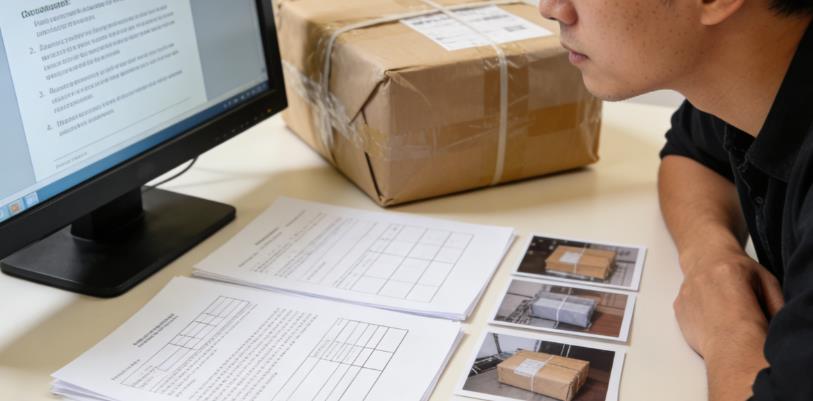
Then, I took photos. Lots of photos. I took a photo of my kitchen shelf with my existing mug collection (proving I’m a mug fanatic, not a reseller). I took a photo of a text chain with my best friend: “Can’t wait to give you your Italian mug for your birthday!” “YESSSS I’ve been wanting one forever!” I even took a photo of the birthday card I’d already bought for her—with the date matching the one in the seller’s email.
Finally, I wrote a short, heartfelt statement. It wasn’t a novel—just 3 paragraphs explaining who I am, why I bought the mugs, and why they’re personal. I said: “I’m a marketing manager from Chicago, and I collect unique coffee mugs as a hobby. I found this seller on Etsy after searching for ‘handmade Italian mugs’—I’ve been following her work for months. Two mugs are for my personal use (I drink coffee every morning, and my current mugs are worn out), and two are for my best friend’s 30th birthday on [date]. We’ve been friends since college, and she’s always wanted a handcrafted mug from Italy. I have no intention of reselling these—they’re meaningful to me and my friend. I’m happy to provide any additional information you need.”
The key here is to humanize your story. CBP officers are people—they respond to real, relatable reasons, not generic excuses. If you’re importing skincare, talk about your sensitive skin and how this specific product works for you. If it’s electronics, mention that you’re a student and need it for school. The more personal details, the better.
What not to do? Lie. Or exaggerate. If you bought 10 bottles of perfume, don’t say “they’re all for me”—CBP will see through it. If you’re buying something for a friend, be honest about it—gifts are still personal use, as long as you’re not getting paid for them. I’ve read horror stories of people lying about their intent, getting caught, and having their packages seized permanently (plus fines). Not worth it.
Step 3: Submit Your Appeal—The Right Way (With Copy-Paste Templates)
Now that you have all your materials, it’s time to submit your appeal. CBP usually gives you a few options: email, fax, or mail. Email is the fastest—most appeals are processed within 5-7 business days if you email. Fax is outdated, and mail takes forever (1-2 weeks just for delivery).
First, find the right email address. It should be in your detention notice—usually something like [portname][email protected] (e.g., [email protected]). If it’s not there, call the CBP office that detained your package and ask for the appeal email address.
Next, write your email. Keep it clear, concise, and polite. Start with your tracking number and name—CBP processes hundreds of appeals a day, so make it easy for them to find your package. Then, explain that you’re appealing the detention, state the reason (e.g., “my package was detained for suspected commercial quantity, but it’s personal use”), and attach all your materials.
Here’s the exact email I sent—feel free to copy-paste it and fill in your own details (I’ve marked the placeholders with []):
Subject: Appeal for Detained Package – Tracking Number [XXXXXX] – [Your Full Name]
Dear CBP Appeals Team,
I am writing to appeal the detention of my package, which was seized on [date of detention] with tracking number [XXXXXX]. The package was sent from [sender’s country] by [sender’s name/business] and contains [describe items: 4 handcrafted ceramic mugs]. I was notified that the package was detained due to [reason from CBP: suspected commercial quantity], but I can confirm that these items are for personal use only—no commercial intent whatsoever.
To support my appeal, I have attached the following documents:
- Screenshots of email communication with the seller ([seller’s name]) confirming the items are for personal use and gifts. The emails include details about the purpose of the items (2 for my personal use, 2 for a friend’s birthday on [date]).
- A copy of the purchase receipt from [platform: Etsy/Amazon/website], showing payment from my personal credit card ([last 4 digits of card]) and shipping to my personal address ([your full address]).
- Photos of my existing mug collection (proving my hobby of collecting unique coffeeware) and a text chain with my friend confirming the mugs are a birthday gift.
- A personal statement explaining the purpose of the items and my lack of commercial intent.
I understand why the package may have raised concerns—4 identical items in gift packaging can look suspicious. However, these mugs are meaningful to me: I collect handcrafted kitchenware as a hobby, and I’ve been saving up to buy these specific mugs for months. The two gifts are for my best friend’s 30th birthday, a milestone celebration we’ve been planning for over a year. I have no plans to resell these items, and I’m happy to provide any additional information or documentation you may need to verify this.
Thank you for taking the time to review my appeal. I appreciate your hard work and attention to detail, and I hope to have my package released soon. Please let me know if you need anything else from me.
Sincerely,
[Your Full Name]
[Your Phone Number]
[Your Email Address]
[Your Full Mailing Address]
That’s it. Short, sweet, and to the point—with all the key details CBP needs. I attached all my documents as PDFs (don’t send blurry photos or Word docs—PDFs are easier to read) and hit send.
Now, wait. I know it’s torture, but resist the urge to email them every day. CBP usually responds within 5-7 business days. If you haven’t heard back after a week, send a polite follow-up email (template below):
Subject: Follow-Up – Appeal for Detained Package [XXXXXX] – [Your Full Name]
Dear CBP Appeals Team,
I hope this email finds you well. I’m writing to follow up on my appeal submitted on [date of appeal] for my detained package (tracking number [XXXXXX]). I wanted to check if you’ve received all my documents and if there’s any additional information I can provide to assist with your review.
Thank you for your time and consideration. I look forward to hearing from you soon.
Sincerely,
[Your Full Name]
[Your Phone Number]
I sent my appeal on a Tuesday, and by the following Monday, I got an email back: “Your package has been released for delivery. Thank you for providing the requested documentation.” Two days later, my mugs arrived—safe and sound, with the birthday card from the seller still inside. I cried a little (don’t judge me—I’d been stressing for weeks).
What to Do If Your Appeal Gets Denied
Okay, let’s talk about the worst-case scenario: Your appeal gets denied. It happens—maybe you didn’t have enough proof, or CBP still thinks it’s commercial. But don’t give up yet. You have two more options:
First, request a formal review. Reply to the denial email and ask for a formal review by a senior CBP officer. Explain that you believe the decision was a mistake, and attach any new evidence you might have (maybe a letter from the seller confirming personal use, or more photos). I had a reader who did this—her first appeal was denied for 6 bottles of skincare, but she sent a letter from her dermatologist saying the product was medically necessary, and the formal review reversed the decision.
Second, hire a customs broker. If the item is valuable (over
500),itmightbeworthpayingabroker(200-
500)tohandletheappealforyou.BrokersknowCBP’srulesinsideout,andtheycannavigatethebureaucracyfasterthanyoucan.Ididn’tneedoneformy120 mugs, but if I’d had a $1,000 package seized, I would’ve hired one in a heartbeat.
The Big Takeaways (No Lists—Just Real Advice)
At the end of the day, CBP’s appeal process is all about proving your intent. They’re not out to get you—they’re just trying to stop people from avoiding tariffs by posing as personal shoppers. If you’re honest, prepared, and humanize your story, you have a 90% chance of getting your package back.
My biggest lesson? Don’t panic. When I first saw that “detained” status, I thought my mugs were gone forever. But by taking it step by step—getting the details, gathering proof, and submitting a clear appeal—I got them back. And now, I’ve helped 3 of my friends do the same (one with a seized camera from Japan, one with skincare from Korea, one with vintage jewelry from France).
Another thing: Keep all your records. I have a folder on my computer labeled “CBP Appeals” with all my documents, emails, and photos. If I ever have a package seized again (knock on wood), I’ll have a template to follow.
And finally, be patient. Bureaucracy moves slow, but getting angry or frustrated won’t help. Politeness and persistence go a long way with CBP.
So, if your package is currently sitting in CBP detention—take a deep breath. You’ve got this. Use the templates, gather your proof, and fight for your stuff. And if you win (which you will), come back and tell me about it—I love a happy ending.
Now, if you’ll excuse me, I’m off to make coffee in my Italian sunflower mug. Worth every minute of the stress.
Leave a Reply